 Printing Planet UK
Screen printing, DTG, and vinyl all put a design on a T-shirt, but they behave very differently. The right choice depends on order size, design complexity, budget, and the garment. Here is how we compare them at our Putney shop, with the real trade-offs.
Screen printing: the workhorse for big orders
Screen printing forces ink through a mesh stencil onto the fabric. Each colour needs its own screen, which is why setup fees exist.
Pros:
- Very durable, prints last 100+ washes
- Bold, opaque colours
- Cost per shirt drops sharply at scale
- Works on cotton, polyester, blends
Cons:
- Setup fee per colour per design (typically £20 to £40)
- Economical only from 25 to 50 units upwards
- Photo-realistic images not practical (max 4 to 6 colours in most setups)
- Fine gradients tricky to reproduce
Best for: Band merch, event T-shirts, brand bulk orders, slogan tees over 50 units.
DTG: full colour, no setup
DTG printing sprays water-based ink directly into cotton fibres, like an inkjet printer for fabric.
Pros:
- No setup fee, even for one T-shirt
- Unlimited colours and photographic detail
- Soft, breathable hand-feel
- Fast turnaround
Cons:
- Only works well on 100% cotton (or very high cotton blends)
- Cost per shirt does not drop much at scale; priced per unit
- Slightly less durable than screen or DTF (typically 30 to 50 washes)
Best for: Small orders (1 to 50), complex artwork, gifts, fashion tees.
Vinyl: the cost-effective choice for simple designs
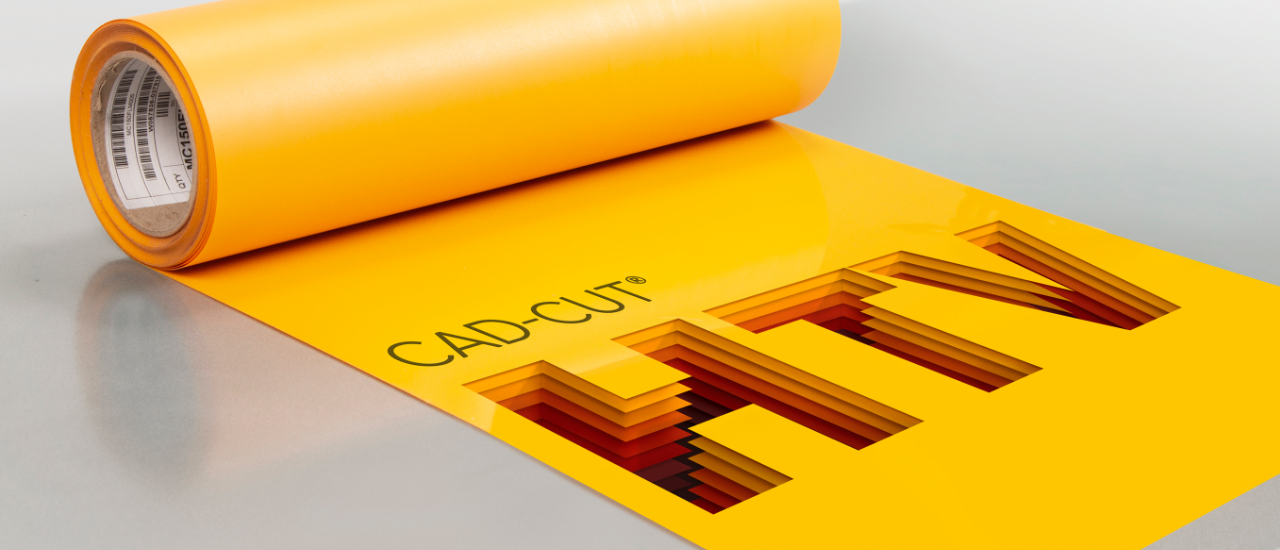
Vinyl printing cuts your design out of a sheet of coloured vinyl, then heat-presses it onto the garment. Each colour is a separate layer.
Pros:
- Cheap for 1 to 2 colour designs
- Very durable (heat-pressed bond)
- Great for names, numbers, sports kits
- Works on most fabrics
Cons:
- Limited to solid colour areas (no gradients or photos)
- Fine detail is limited by what can be cut and weeded
- Colour count increases cost quickly (2 colours is usually the practical limit)
- Can feel plasticky on light fabrics
Best for: Team kits, names and numbers, single-colour logos, high-visibility workwear.
Cost comparison at common quantities
Rough per-shirt pricing for a one-colour chest logo on a standard blank:
| Quantity | Screen | DTG | Vinyl |
|---|---|---|---|
| 1 | Not viable | £15 | £10 |
| 10 | £15+ (high setup) | £9 | £8 |
| 25 | £7 | £8 | £7 |
| 50 | £5 | £7.50 | £6.50 |
| 100 | £3.50 | £7 | £6 |
| 250 | £2.80 | £6.50 | £5.50 |
Real pricing depends on blank, ink coverage, and garment colour. Ask for a quote.
Decision rules we use
1. Photo-realistic or multi-colour design on cotton, small to medium order: DTG
2. Simple 1 to 2 colour design, order of 50 plus units on cotton: Screen printing
3. Names and numbers on sports kits: Vinyl
4. Brand logo with solid colours, 10 to 50 units: Vinyl or DTG (DTG wins on colour accuracy, vinyl wins on cost)
5. Polyester sportswear, any quantity: DTF (see our DTG vs DTF comparison)
6. Outdoor or workwear that gets heavy use: DTF or screen
Why we do not always recommend the cheapest method
Cheapest per shirt is not always the right call. A DTG print on a premium Stanley/Stella tee costs more than a vinyl print on a budget Gildan, but the final product is a sellable £30 brand tee rather than a £6 giveaway. Match the method to the product outcome, not just the unit cost.
Combining methods
We often combine methods on the same order. For example, a sports kit might use:
- Vinyl names and numbers on the back
- Screen-printed sponsor logo on the front
- DTF patches for a sleeve badge
This is normal and there is no penalty for mixing. Each item is priced individually.
Talk it through
If you are unsure, tell us what you want the finished T-shirt to feel like, how many you need, and your budget. We will recommend the method that gets you closest. Drop in, email [email protected], or call 020 3669 9854.
Read next: