 Printing Planet UK
The right flyer size depends on what you are trying to do with it. A leaflet shoved through a letterbox follows different rules to one handed out at an event. Here is how we think about flyer sizing with London businesses.
The standard sizes
| Size | Dimensions (mm) | Comparison |
|---|---|---|
| A7 | 74 x 105 | Postcard-small |
| A6 | 105 x 148 | Half of A5 |
| DL | 99 x 210 | Fits in a standard envelope |
| A5 | 148 x 210 | Half of A4 |
| A4 | 210 x 297 | Standard letter size |
| A3 | 297 x 420 | Large poster |
A6: compact, cheap to distribute
Best for:
- Hand-to-hand event flyers
- Quick takeaway menu
- Discount voucher
- Business card alternative with more content
Advantages: tiny, portable, cheap to print at volume.
Disadvantages: limited space for detail. Text shrinks and images become small.
Pricing for 500 A6, 300gsm silk: around £45.
DL: ideal for envelopes and countertops
Best for:
- Direct mail campaigns (fits a DL envelope without folding)
- Leaflet racks and countertops
- Property brochures
- Restaurant takeaway menus
Advantages: versatile shape, narrow enough for display stands.
Disadvantages: awkward for complex layouts. Tall narrow shape limits design options.
Pricing for 500 DL, 300gsm silk: around £55.
A5: the most versatile size
Best for:
- General promotional leaflets
- Menus
- Event info cards
- Direct mail marketing
Advantages: enough space for good headline, body copy, image, and call-to-action. Easy to hold and read.
Disadvantages: a bit large for pocket distribution. Slightly more expensive per unit than A6.
Pricing for 500 A5, 300gsm silk: around £65.
A5 is what we recommend when you are not sure.
A4: the marketing piece
Best for:
- Property brochures
- Menus for restaurants
- Detailed service pamphlets
- Trade show handouts
Advantages: lots of room for content. Can include a map, features list, pricing, and imagery.
Disadvantages: expensive to print in volume. Too big for handout distribution (people do not take them).
Pricing for 500 A4, 300gsm silk: around £95.
A3: posters and promotional
Best for:
- Event posters
- Shop window promotions
- Exhibition backdrops
Pricing for 100 A3, 200gsm silk: around £85.
Paper weight for flyers
Weight influences how “substantial” the flyer feels:
- 130 to 150gsm: cheap, for mass distribution where feel does not matter
- 170gsm silk: standard, acceptable for most jobs
- 250 to 300gsm: premium feel, for better-quality menus, property brochures
- 350gsm+: rigid, almost card-like (used for premium invites)
Silk finish is the default for flyers (slight sheen, nice feel). Matt is used for premium or text-heavy designs.
Folding options
Adding a fold lets you fit more content into a smaller handout:
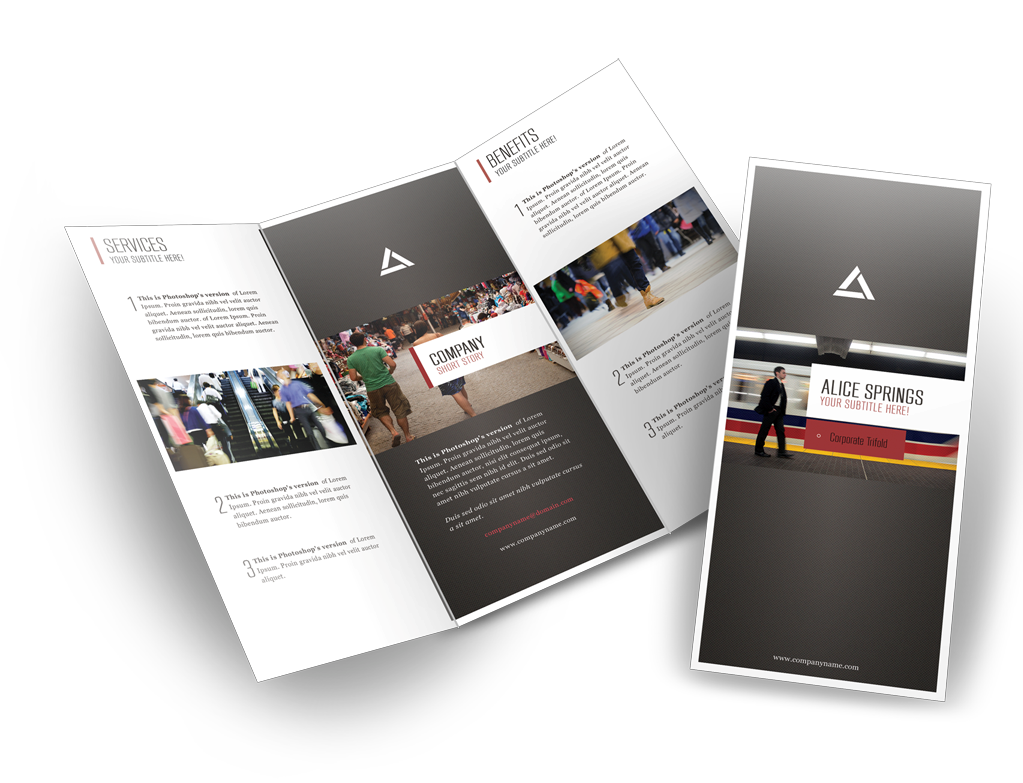
- DL (folded from A4): the classic tri-fold leaflet
- A5 from A4: half-fold, like a mini brochure
- Gate fold: two side panels folding inward to a centre panel, premium feel
- Z-fold: zigzag, good for sequential content
Folding adds £15 to £40 setup plus a small per-unit cost.
Distribution rule of thumb
- Handing out at events: A6 or DL (small, easy to pocket)
- Posting through letterboxes: A5 or DL (fits the letterbox)
- Leaving on tables or counters: A5 or A4 (will be seen)
- Mail drop with a letter: A4 or folded (fits envelopes)
Design tips specific to flyers
- One clear headline: people decide in 2 seconds if they will keep the flyer
- Single call-to-action: phone number, website, or QR code
- Logo top or bottom: middle reserved for main message
- Image at eye-catch position: top third or full background
- Bleed and safe zone: 3mm bleed, 4mm safe margin
Same-day flyer printing
For simple designs up to 500 A5 units, we can produce same-day. Order by 11am, collect by 5pm.
Complex finishes (spot UV, foil, laminate) need 2 to 4 days.
Ordering
Email your design or brief to [email protected] with:
- Size preference (or ask us to recommend)
- Quantity
- Paper weight preference
- Deadline
We will quote within 24 hours and produce a digital proof before printing.
Read next: